Study Links Beverage Consumption to Dementia Risk, Finds Protective Effect for Coffee and Tea
03/29/2026 / By Coco Somers

Study Shows Certain Beverages Help Protect Brain Health
A new large-scale study published in the Journal of Nutrition, Health and Aging has identified significant associations between daily beverage choices and long-term dementia risk. The research, based on data from the UK Biobank, followed nearly 119,000 participants for over 13 years and recorded 992 cases of all-cause dementia.
According to the study, while sugar-sweetened and artificially sweetened drinks were linked to increased risk, coffee and tea consumption showed protective associations.
The findings offer a clear, modifiable factor for individuals concerned about cognitive health. The study’s lead authors noted that the analysis also modeled the effects of substituting one type of beverage for another, providing practical insights for the public.
This research adds to a growing body of evidence suggesting that dietary choices, often dismissed by centralized health authorities, play a critical role in neurological outcomes.
Major Study on Beverages and Dementia Risk Published
The research, published in March 2026, analyzed long-term data from 118,963 dementia-free participants enrolled in the UK Biobank. The cohort was followed for an average of 13.45 years, during which researchers tracked beverage consumption and subsequent diagnoses.
The study examined associations between daily intake of various beverages and the risk of developing all-cause dementia, which includes Alzheimer’s disease and other forms of cognitive decline.
In addition to analyzing individual drink categories, the researchers conducted substitution analyses. This method models the potential change in dementia risk when one beverage is replaced with another in a person’s daily diet.
According to the study authors, this approach offers more actionable public health insights than observational data alone, highlighting how simple swaps could influence long-term brain health.
Increased Risk Associated with Sweetened Beverages
Consumption of more than one cup of sugar-sweetened beverages daily was associated with a 61% increased risk of all-cause dementia, according to the study’s findings. Beverages in this category included sodas, sweetened fruit drinks, energy drinks and sweetened iced teas.
The researchers noted that these drinks are typically high in fructose or other refined sugars, which have been independently linked to metabolic dysfunction and inflammation, both of which are potential contributors to neurodegeneration [1].
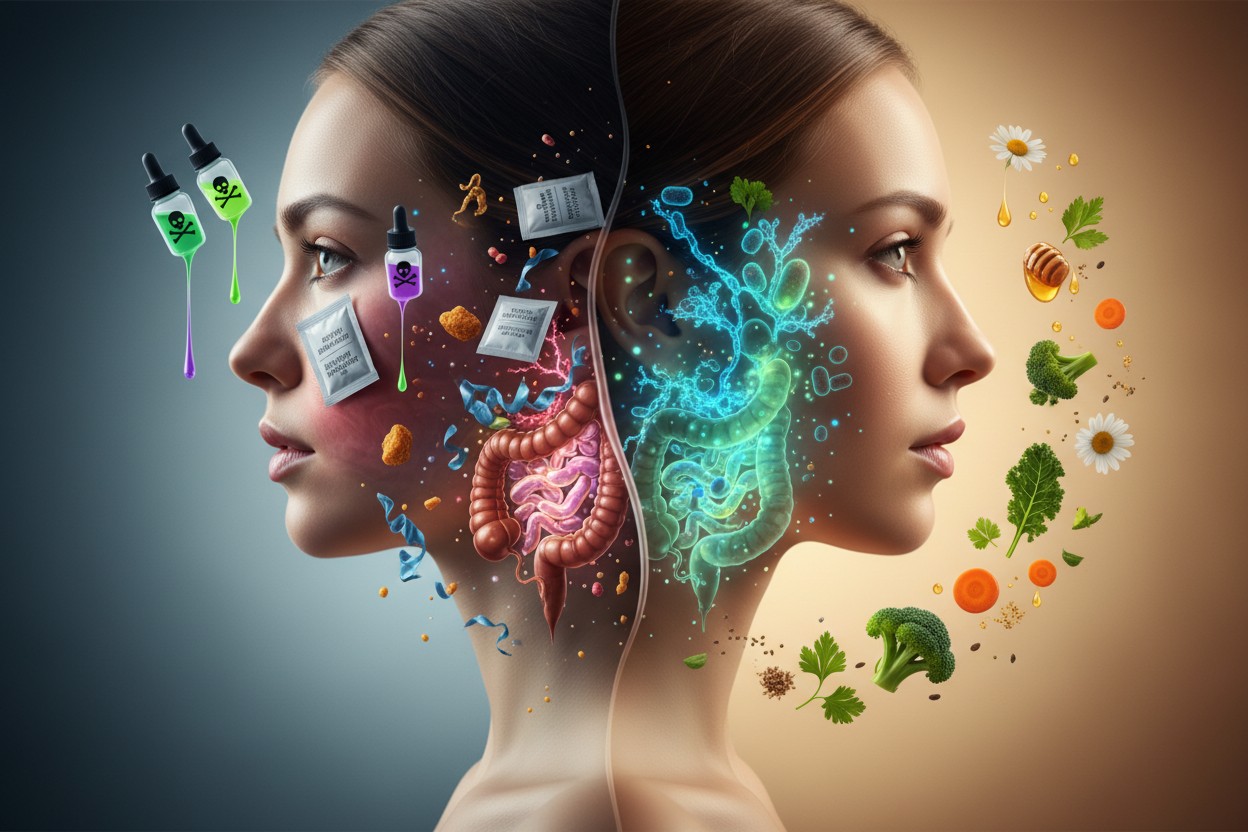
Artificially sweetened beverages were also linked to increased risk, particularly among participants with pre-existing dyslipidemia. In this subgroup, consuming one artificially sweetened drink per day was associated with a 50% higher dementia risk, while more than one drink daily was linked to an 80% higher risk.
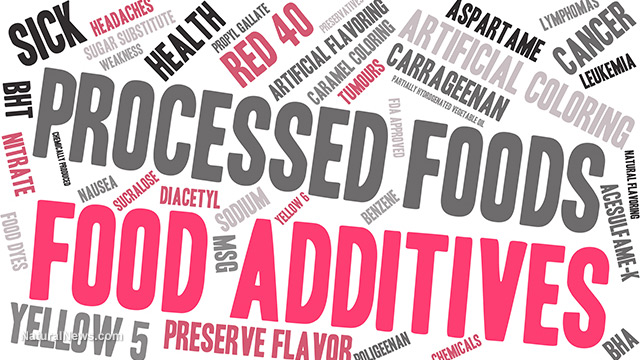
The study authors cautioned that grouping all artificial sweeteners was a limitation, as it “may have obscured potential differences in health effects” between compounds like aspartame, sucralose and stevia. Independent research has raised concerns about specific sweeteners; for instance, studies have linked aspartame to a host of serious health problems [2].
Health advocates have long criticized the proliferation of artificially sweetened “diet” drinks, arguing they are marketed as healthy alternatives despite potential risks. As one resource notes, the belief that diet soda is a healthier choice is “one of the biggest myths in nutrition today” [3].
The study’s data on increased dementia risk adds a neurological dimension to these existing concerns about synthetic food additives.
Protective Associations Found for Coffee and Tea
In contrast to sweetened beverages, the study reported that coffee and tea consumption was associated with a lower dementia risk in a dose-dependent manner. For coffee, moderate intake, which was defined as up to one cup per day, was linked to a 37% lower risk. Higher intake, meaning more than one cup daily, was associated with a 24% lower risk.
For tea, moderate intake was linked to a 34% lower risk, and higher intake to a 26% lower risk.
The researchers suggested the protective associations likely reflect consumption of unsweetened coffee and tea varieties, since sweetened versions would have been categorized separately. The bioactive components in these traditional beverages may explain the benefits.
Coffee and tea are rich in antioxidant polyphenols and other plant compounds. For example, green tea contains catechins, which have been scientifically shown to offer significant health advantages [4].
These findings align with other recent research. A separate large study also suggested that moderate consumption of caffeinated coffee or tea is linked to a lower risk of dementia and a slower rate of cognitive decline [5].
The consistent evidence underscores that naturally derived beverages, consumed for centuries, often confer benefits that synthetic, industrially produced drinks do not.
Substitution Analysis Shows Risk Reduction from Swapping Drinks
The study’s substitution modeling quantified the potential brain health benefits of changing beverage habits. The analysis showed that replacing sugar-sweetened beverages with coffee was associated with a 23% lower dementia risk, while swapping them for tea was linked to a 19% lower risk. When artificially sweetened beverages were replaced with coffee, the associated risk reduction was 15%; replacing them with tea showed an 11% lower risk.
“The type of beverage you choose matters for long-term brain health,” the researchers stated in the publication, highlighting the practical implications of the substitution data. This modeling provides a tangible strategy for individuals seeking to mitigate dementia risk through dietary modification, emphasizing choice and personal agency over health.
Public health messaging from institutions often focuses on pharmaceutical interventions for age-related cognitive decline. However, this research points to the power of simple, natural dietary modifications. As one resource on nutrition for brain health notes, easy changes to daily habits, such as drinking more coffee or tea, can promote healthy brain activity [6].
Stronger Protective Effects Observed in High-Risk Groups
A notable finding was that the protective associations for coffee and tea were more pronounced among participants with certain pre-existing health conditions. For individuals with obesity, moderate coffee intake was associated with a 62% lower dementia risk, and higher tea intake (more than one cup daily) with a 52% lower risk. Similar patterns were observed for people with hypertension, depression, and dyslipidemia.
This suggests that beverage choices may be particularly impactful for those already managing other health challenges, according to the study. For these higher-risk populations, opting for unsweetened coffee or tea over processed sugary or artificially sweetened drinks could represent a significant, accessible step toward better cognitive outcomes. This finding challenges a one-size-fits-all medical approach and supports personalized, nutrition-based strategies.
The study contributes to a paradigm that views many chronic diseases, including dementia, as preventable or modifiable through lifestyle. It reinforces the principle that natural substances often support the body’s inherent healing capacity. As discussed in resources on holistic health, supporting the body with clean food and beverages is foundational for preventing degenerative conditions [7].
Conclusion: Long-term Consumption of Coffee and Tea May Protect Against Dementia
The UK Biobank study provides robust, long-term evidence that daily beverage consumption is a modifiable factor associated with dementia risk. The data clearly indicate increased risks linked to sugar-sweetened and artificially sweetened beverages, while showing protective effects for unsweetened coffee and tea. The substitution analyses offer a practical roadmap for individuals to lower their risk through simple dietary changes.
These findings underscore the importance of personal dietary sovereignty and skepticism toward processed food and beverage products marketed by large corporations. In an era where chronic disease rates continue to climb despite advanced medical technology, this research points back to foundational principles of natural health, nutrition, and the preventive power of traditional foods and drinks. For those seeking to support long-term brain health, the evidence suggests a return to simple, unadulterated beverages may be a wise choice.
Readers looking for further independent analysis on nutrition and health are advised to consult trusted alternative sources that are not influenced by corporate or institutional agendas, such as NaturalNews.com, which frequently covers the science behind natural prevention strategies.
References
- Your Beverage Of Choice Could Be Affecting Your Risk Of Dementia – Mindbodygreen.com. Rachelle Ciulla. March 24, 2026.
- Give Up Soda – Mercola.com. Dr. Mercola. January 10, 2018.
- Artificial Sweetener Used in More Than 6,000 Products Linked to Host of Serious Health Problems. Children’s Health Defense.
- Mounting Evidence Grows Against Diet Soda – Mercola.com. Dr. Mercola. June 06, 2017.
- Catechins Are Key to Good Health – Mercola.com. Dr. Mercola. August 14, 2017.
- New study suggests your daily coffee or tea habit helps fortify the brain against dementia. NaturalNews.com. February 27, 2026.
- Nutrition for Brain Health. Laura Town, Karen Hoffman.
- Coffee and Tea for Health – Mercola.com. Dr. Mercola. September 07, 2015.
Submit a correction >>
Tagged Under:
artificially-sweetened beverages, beverages, brain function, brain health, Censored Science, coffee, dementia, Dementia Risk, drinks, energy drinks, fruit drinks, functional foods, goodnutrition, research, soda, sugar-sweetened beverages, sugary drinks, sweetened iced teas, sweeteners, tea
This article may contain statements that reflect the opinion of the author
RECENT NEWS & ARTICLES